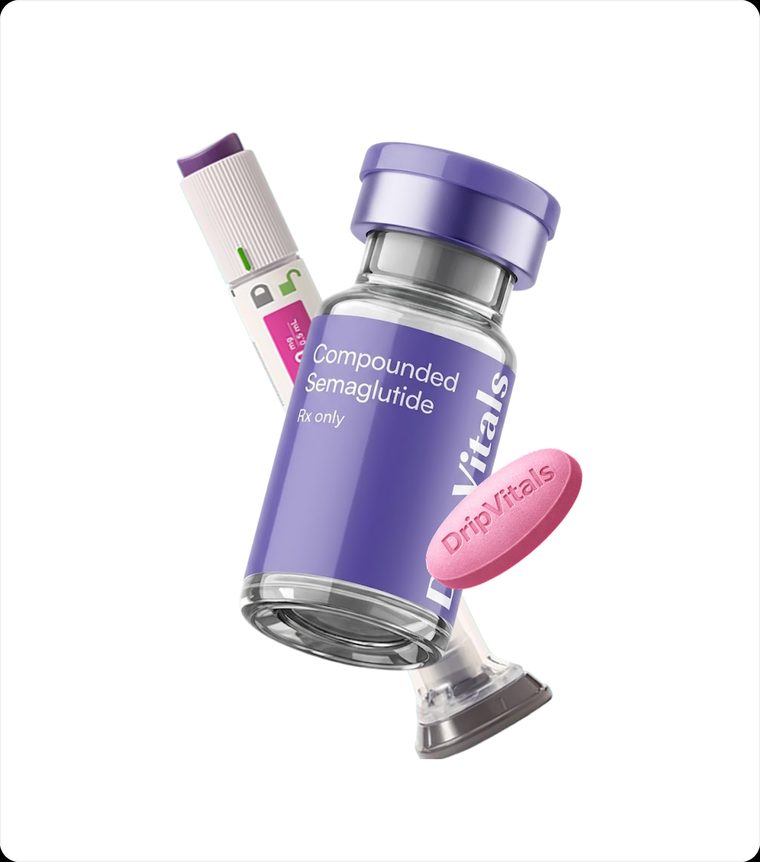
Semaglutide Weight Loss in College Station, TX
Semaglutide is a GLP-1 receptor agonist prescribed for weight management in eligible adults, and fitting a weight-loss clinic into the day isn’t always easy. DripVitals offers eligible College Station adults clinician-guided semaglutide care entirely online, with treatment shipped to your door if a licensed clinician decides it’s appropriate.
What is the Semaglutide College Station program?
It is an online, clinician-guided weight-management program for adults in the College Station area. Semaglutide is a GLP-1 receptor agonist that can help regulate appetite and blood sugar. After an online visit, a licensed clinician decides whether it is appropriate for you and, if so, sends a prescription to a partner pharmacy that ships to your door.
Is this branded semaglutide or compounded?
Depending on your clinical situation, your provider may prescribe an FDA-approved branded semaglutide (such as Wegovy or Ozempic) or, where appropriate, a compounded preparation from a licensed pharmacy. Compounded medications are not FDA-approved. Your clinician explains the options, and you see pricing before you confirm.
How quickly does semaglutide work for weight loss?
Timelines vary. In trials of FDA-approved branded semaglutide, weight change built gradually over many months alongside lifestyle changes. Semaglutide is not a quick fix; results depend on dose, adherence, diet, activity, and individual factors, and a clinician monitors your progress.

How Clinician-Guided Semaglutide Works for College Station Patients
Lasting weight management is about steady metabolic health and habits you can keep — not a single number on the scale.
Semaglutide is a GLP-1 receptor agonist that helps regulate appetite and blood sugar, which can make a reduced-calorie plan easier to follow when it’s prescribed as part of clinician-supervised care. A licensed clinician reviews your history to decide whether it fits your situation.
It works best alongside the everyday basics — nutrition, movement, sleep, and follow-up — and and online check-ins make that consistency more realistic. Individual results vary.
Semaglutide for College Station
College Station sits in the Brazos Valley between Houston, Austin, and Dallas, built around Texas A&M, with a population that shifts substantially between the academic year and summer.
The city is roughly equidistant from three major metros and none of them is close. Online evaluation removes the drive, with a licensed clinician reviewing your history remotely.
DripVitals also serves nearby Waco and Houston online. Care is delivered remotely throughout Texas wherever our clinicians are licensed — there is no in-person location to visit.
What Is Semaglutide, and How Does It Work?
Semaglutide is a prescription GLP-1 receptor agonist used, alongside diet and exercise, to support weight management and blood-sugar regulation in eligible adults. Through DripVitals, College Station-area patients are evaluated online and, if appropriate, prescribed semaglutide that ships from a licensed pharmacy.
What semaglutide is
Semaglutide mimics GLP-1, a hormone that signals fullness, slows how quickly the stomach empties, and helps regulate blood sugar. It is the active ingredient in the FDA-approved medicines Wegovy and Ozempic. In large randomized trials of FDA-approved branded semaglutide, treatment alongside lifestyle changes produced meaningful average weight loss (Wilding et al., 2021).
Branded vs. compounded semaglutide
FDA-approved branded semaglutide (Wegovy, Ozempic) has been reviewed by the FDA for safety and effectiveness. Compounded semaglutide is prepared by a licensed pharmacy to fill an individual prescription; it is not FDA-approved, and compounded preparations are not the same as — and should not be assumed equivalent to — the approved products. The trial results above were obtained with branded semaglutide, not compounded preparations. Your clinician explains which option, if any, is appropriate for you.
Why a clinician consultation matters
Semaglutide is available only by prescription. A licensed clinician reviews your medical history, current medications, and goals to decide whether treatment is appropriate and safe, and not everyone qualifies. You can start the online consultation here.
How can semaglutide support weight management in College Station?
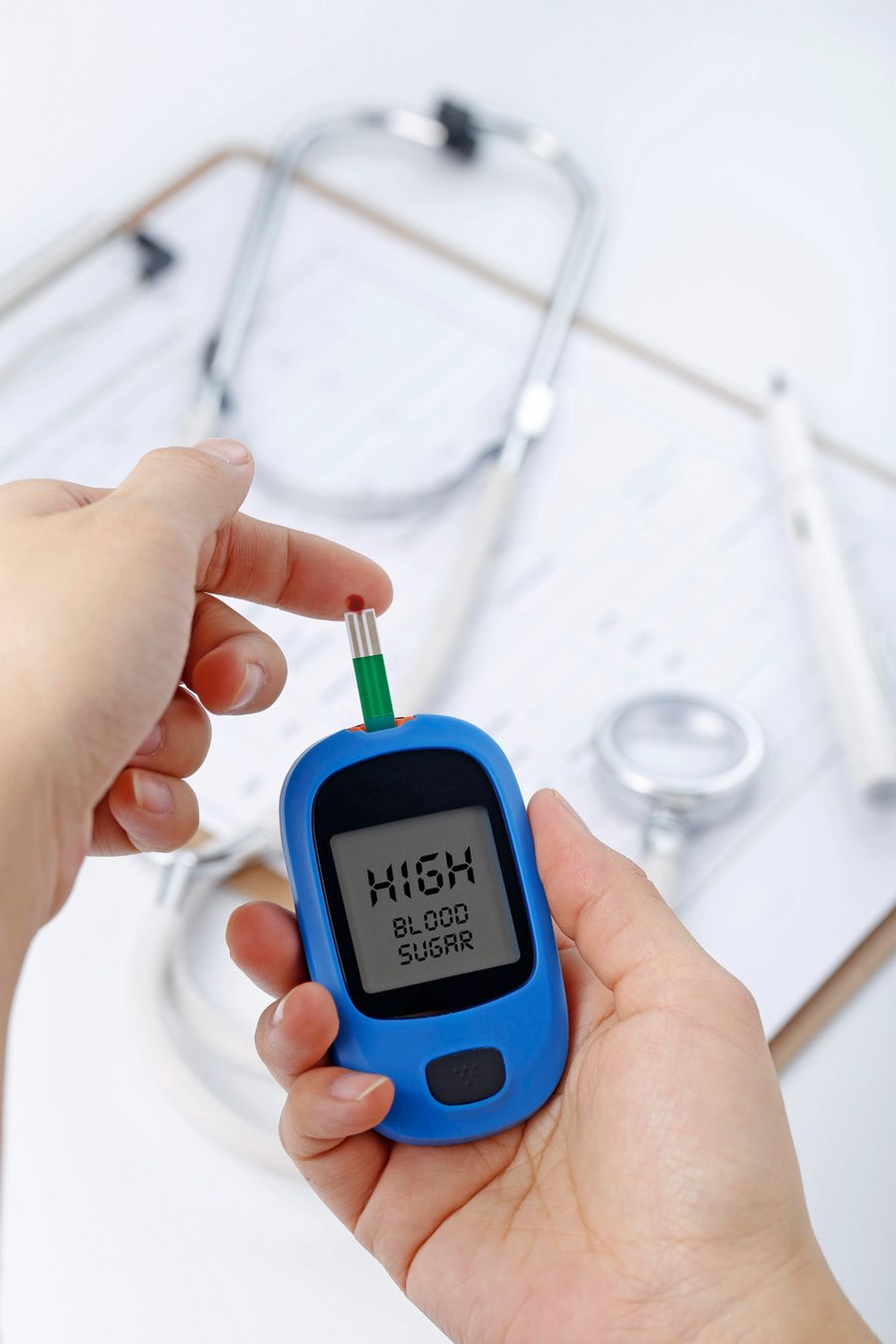
May help regulate blood sugar to support metabolic balance.

May curb appetite and cravings, making portions easier to manage.

Slows gastric emptying, helping you feel full longer after meals.
Potential benefits are not guaranteed. Evidence for specific outcomes from semaglutide is still evolving, and individual results vary. A licensed clinician determines whether treatment is appropriate. See clinical references.
How to Start Semaglutide Online from College Station
Every weight-loss journey is different, and so are our clinician-guided semaglutide plans for College Station members.
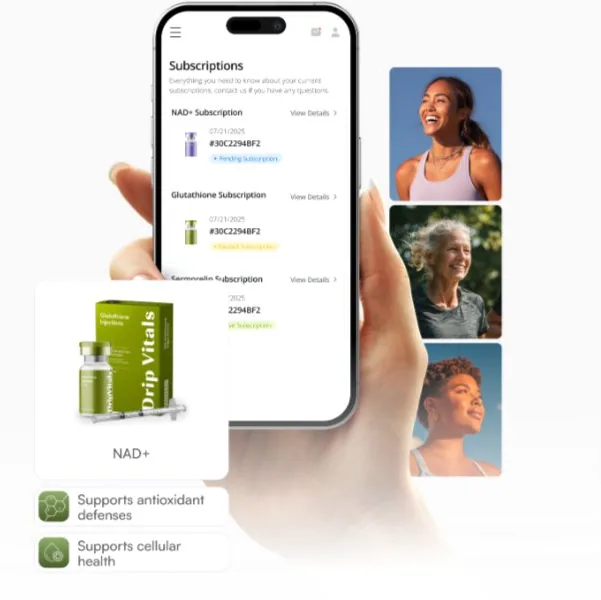
Complete your online intake
Share your health history and goals through a secure online form — no clinic visit needed.

Clinician evaluation
A licensed clinician reviews your information to determine whether semaglutide is appropriate for you.

Medication shipped to you
If prescribed, your medication ships from a licensed pharmacy to your College Station-area address, with supplies included.

What the research shows about semaglutide
In large randomized trials of FDA-approved branded semaglutide, once-weekly treatment alongside lifestyle intervention produced substantial average weight loss over 68 weeks (Wilding et al., 2021), with continued treatment supporting weight maintenance (Rubino et al., 2021). These results reflect branded semaglutide studied in clinical trials, not compounded preparations, and individual results vary. A licensed clinician can help determine whether treatment is appropriate for your goals and medical history.
- GLP-1 receptor agonist that helps regulate appetite and blood sugar
- Once-weekly subcutaneous injection (for injectable forms)
- Studied in the STEP trial program with FDA-approved branded semaglutide
- Works alongside diet, activity, and clinical follow-up
Semaglutide Safety, Side Effects, and Eligibility for College Station Patients
Like any medication, semaglutide carries risks and is not appropriate for everyone. Reviewing the following with a licensed clinician is an essential part of treatment, and the FDA-approved labeling should be read in full.
Boxed warning: thyroid C-cell tumors
FDA-approved semaglutide carries a boxed warning about the risk of thyroid C-cell tumors observed in rodents. It is contraindicated in people with a personal or family history of medullary thyroid carcinoma or Multiple Endocrine Neoplasia syndrome type 2 (MEN 2). Tell your clinician about any such history.
Common and serious side effects
Common effects can include nausea, vomiting, diarrhea, constipation, and abdominal discomfort, especially during dose increases. Serious risks reported with GLP-1 therapy include pancreatitis, gallbladder problems, low blood sugar (particularly alongside other diabetes medicines), kidney issues from dehydration, and allergic reactions. Seek prompt medical care for severe or persistent symptoms.
Who should not use it
Semaglutide is generally not used during pregnancy or breastfeeding, in people with the thyroid or MEN 2 history above, with a history of pancreatitis, or with certain other conditions. Your clinician reviews your history and will decline treatment when it is not safe or appropriate. Not everyone who applies will qualify.
Drug interactions and follow-up
Share a complete list of your prescriptions, over-the-counter products, vitamins, and supplements so your clinician can check for interactions and adjust care as needed. Report side effects and health changes during follow-up. Individual results vary, and no specific outcome is guaranteed.
Compounded medications are not FDA-approved. The FDA does not review compounded medications for safety, effectiveness, or quality before they are marketed. A licensed provider determines whether a compounded medication is appropriate based on an individual patient’s medical needs.
Branded vs. Compounded Semaglutide
A common question is how compounded semaglutide compares with the FDA-approved branded medicines. The table below summarizes the differences; your clinician decides what, if anything, is appropriate for you.
| Feature | Branded semaglutide | Compounded semaglutide |
|---|---|---|
| FDA status | FDA-approved (reviewed for safety & effectiveness) | Not FDA-approved; compounded per prescription |
| What it is | Wegovy / Ozempic (brand semaglutide) | Semaglutide prepared by a licensed pharmacy |
| Clinical trial data | Studied in large trials (e.g., the STEP program) | Not the subject of those trials |
| Dispensing | Manufactured, standardized product | Prepared per individual prescription |
| Who decides | Your licensed clinician | Your licensed clinician |
Compounded preparations are not FDA-approved and are not established as equivalent to the branded products. The right choice depends on your medical history, goals, and your clinician’s recommendation.
Semaglutide vs. Other GLP-1 Options
Semaglutide is one of several GLP-1 options. Tirzepatide (the active ingredient in Mounjaro and Zepbound) acts on two gut-hormone receptors (GIP and GLP-1) rather than one, and some people are prescribed oral rather than injectable formulations. Each option differs in dosing, evidence, and suitability.
Which option, if any, is right for you depends on your goals, medical history, and a licensed clinician’s assessment. You can compare our GLP-1 weight-loss treatments and review the options together during your visit.
Why College Station Patients Choose a Clinician-Guided Semaglutide Program
- 1-on-1 guidance from US-based licensed clinicians
- Dose titration and check-ins handled online, around College Station hours
- Support for nutrition, movement, and sleep goals
- Free, discreet delivery across the College Station area with 24/7 messaging support
- Plans designed to stay affordable across commitment lengths
What Is Included in the DripVitals Semaglutide Program in College Station?
A DripVitals semaglutide program is a clinician-guided subscription that bundles your care and medication into one plan — convenient for schedules that don’t leave much room for clinic visits. Depending on what your clinician prescribes, it typically includes:
- Online medical consultation and licensed-clinician review
- Your prescribed medication from a licensed pharmacy (branded or compounded, as appropriate)
- Injection supplies (syringes and alcohol pads), where applicable
- Free, discreet shipping to College Station and across Texas
- Ongoing messaging access to your care team
- Follow-up check-ins with dose titration when clinically appropriate
- A subscription you can cancel at any time
Semaglutide Cost and Pricing in College Station
Pricing depends on the plan you choose and what your clinician prescribes; branded and compounded options differ in price. There are no hidden fees, and you see exact pricing before you confirm.
| Plan | Price | Billing |
|---|---|---|
| Month-to-month | $179/mo | $179 billed monthly |
| 3-Month plan | $139/mo* | $417 billed every 3 months |
| 6-Month plan | $119/mo* | $714 billed every 6 months |
| 12-Month plan | $99/mo* | $1,188 billed every 12 months |
*The $99/month rate reflects a 12-month commitment paid upfront or through a buy-now-pay-later program. Actual price depends on the plan and medication prescribed, including whether a branded or compounded option is used. Plans are offered as a subscription that can be canceled at any time.
Semaglutide across Texas
Cities we serve online across Texas:
Care is delivered online throughout Texas wherever our clinicians are licensed. Semaglutide in Texas
Medically Reviewed

This page was reviewed for medical accuracy. Treatment decisions are made by a licensed provider after reviewing each patient’s medical history.
Education & certifications
- American Board of Anti-Aging and Regenerative Medicine (ABAARM)
- Anti-Aging Metabolic Medicine, American Academy of Anti-Aging Medicine
- American Board of Obesity Medicine (DABOM)
- American Board of Internal Medicine
- The Institute for Functional Medicine
- Bioidentical Hormone Replacement Therapy certified
- Peptide Certification / Member, International Peptide Society
- Integrative Gastroenterology, Endocrinology, Cardiology & Neurology Certification, The George Washington University School of Medicine and Health Sciences
- Member, The American Academy of Anti-Aging Medicine (A4M)
- Member, American College of Physicians
Clinical References and Further Reading
These sources report trials conducted with FDA-approved branded semaglutide. They describe general research findings and do not establish outcomes for compounded preparations or guarantee individual results from this program.
- Once-Weekly Semaglutide in Adults with Overweight or Obesity (STEP 1)Wilding JPH, et al; STEP 1 Study Group. N Engl J Med. 2021;384(11):989–1002. Trial of FDA-approved branded semaglutide 2.4 mg.
- Continued Semaglutide vs Placebo on Weight-Loss Maintenance (STEP 4)Rubino D, et al; STEP 4 Investigators. JAMA. 2021;325(14):1414–1425. Conducted with FDA-approved branded semaglutide.
- Semaglutide and Cardiovascular Outcomes in Obesity without Diabetes (SELECT)Lincoff AM, et al. N Engl J Med. 2023;389(24):2221–2232. Conducted with FDA-approved branded semaglutide.
You may also like
Semaglutide in College Station: Frequently Asked Questions
Clear, medically reviewed answers about semaglutide for College Station members — how the online program works, branded vs compounded, safety, cost, and eligibility.
What is semaglutide?
Semaglutide is a GLP-1 receptor agonist — it mimics a gut hormone that signals fullness, slows stomach emptying, and helps regulate blood sugar. It is the active ingredient in the FDA-approved medicines Wegovy and Ozempic. In large clinical trials of FDA-approved branded semaglutide, treatment alongside lifestyle changes produced meaningful average weight loss. Semaglutide is a prescription medication and is not appropriate for everyone.
What is the Semaglutide College Station program, and how does telehealth work?
It is an online, clinician-guided weight-management program available to adults in the College Station area and across Texas. DripVitals does not operate a walk-in clinic in College Station: you complete a secure online intake, a licensed clinician reviews it and (if appropriate) prescribes treatment, and a licensed pharmacy ships medication to your address. Your clinician monitors progress and adjusts care through follow-ups.
Is the program branded or compounded semaglutide?
Depending on your clinical situation, your clinician may prescribe FDA-approved branded semaglutide (Wegovy or Ozempic) or, where appropriate, a compounded preparation from a licensed pharmacy. Compounded medications are not FDA-approved, and compounded semaglutide is not established as equivalent to the branded products. Your clinician explains the options and you see pricing before you confirm.
Is compounded semaglutide FDA-approved?
No. Compounded preparations are not reviewed or approved by the FDA for safety, effectiveness, or quality before they are marketed; a licensed pharmacy prepares them to fill an individual prescription. The active ingredient, semaglutide, is FDA-approved in branded products (Wegovy, Ozempic), but a compounded preparation is not itself an FDA-approved drug. Discuss the regulatory status, benefits, and risks with your clinician.
How do I get a semaglutide prescription?
Start with a short online questionnaire and, if appropriate, a video or message-based visit with a licensed clinician. If they determine semaglutide is suitable for you, they send a prescription to a partner pharmacy that ships medication to you. If it is not appropriate, they will not issue a prescription.
Who is a good candidate for semaglutide?
Adults with obesity, or overweight with a weight-related condition, may be candidates when a clinician agrees the benefits outweigh the risks. It is not for everyone: personal and family medical history, current medications, and lab findings all factor into eligibility. Your clinician makes this determination during your consultation.
How is semaglutide administered?
Semaglutide for weight management is typically a once-weekly subcutaneous injection using a small pen or syringe, started at a low dose and increased gradually (titrated) on a schedule your clinician sets. Your clinician and pharmacy materials explain injection sites, rotation, and storage. Oral formulations are also available in some cases.
What are the side effects of semaglutide?
Common effects can include nausea, vomiting, diarrhea, constipation, and abdominal discomfort, especially during dose increases. Serious risks reported with GLP-1 therapy include pancreatitis, gallbladder problems, and low blood sugar. FDA-approved semaglutide also carries a boxed warning about thyroid C-cell tumors and is contraindicated with a personal or family history of medullary thyroid carcinoma or MEN 2. Read the FDA-approved labeling and contact a clinician for severe or persistent symptoms.
How quickly does semaglutide work, and is it a magic bullet?
No medication replaces nutrition, movement, sleep, and follow-up care. In trials of branded semaglutide, weight change built gradually over many months alongside lifestyle changes. GLP-1 therapy can support meaningful weight change for many people, but individual results vary and long-term success depends on adherence and medical oversight.
How much does semaglutide cost per month in College Station?
Monthly cost depends on your plan, dose, and whether a branded or compounded option is prescribed. Program pricing starts as low as $99/month on a 6-month plan paid upfront (or via buy-now-pay-later), with a month-to-month option at $179/month. You see exact pricing before you confirm, with no hidden fees, and you can cancel anytime.
Do I need to live in College Station to use the program?
The program is available to eligible adults in the College Station area and across Texas, wherever your clinician is licensed to provide care and a partner pharmacy can ship. Care is delivered entirely online, so you do not need to visit a physical College Station location.
Is there a semaglutide clinic in College Station?
No — DripVitals is telehealth-only, with no College Station storefront. College Station-area residents complete the visit online and receive medication by mail if a licensed clinician prescribes it.
Can semaglutide interact with my medications?
Possibly. Share a complete list of everything you take — prescriptions, over-the-counter products, vitamins, and supplements — during your consultation. Semaglutide can affect how quickly the stomach empties and, alongside other diabetes medicines, can increase the risk of low blood sugar. Your clinician reviews your regimen and adjusts care as needed. Never start, stop, or change a medication without talking to a licensed clinician.
Disclaimer
Only available if prescribed after an online consultation with a healthcare provider. Benefits outlined are based on third-party studies. Plans are offered as a subscription service which can be canceled at any time. Actual product packaging may appear differently than shown. Physicians may prescribe compounded medications as needed to meet patient requirements. The FDA does not review or approve any compounded medications for safety or effectiveness. The statements on this page have not been evaluated by the FDA. Results may vary. If you notice any side effects while using this treatment, contact your healthcare provider immediately.