If you're weighing delivery methods, the choice often comes down to NAD+ nasal spray versus injections. Both avoid the absorption limits of oral NAD+, but they suit different people. Here's a practical comparison.
The two delivery routes
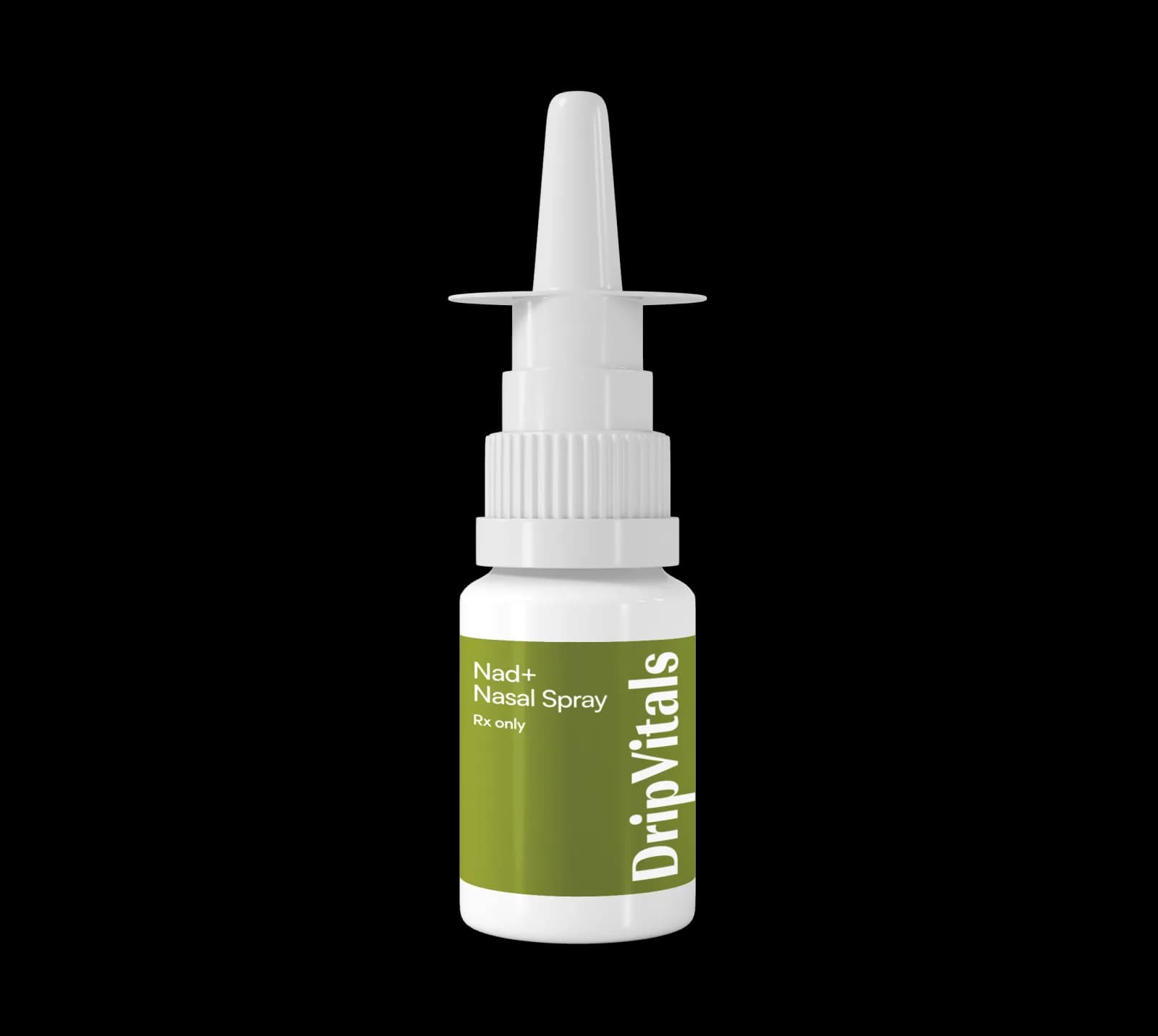
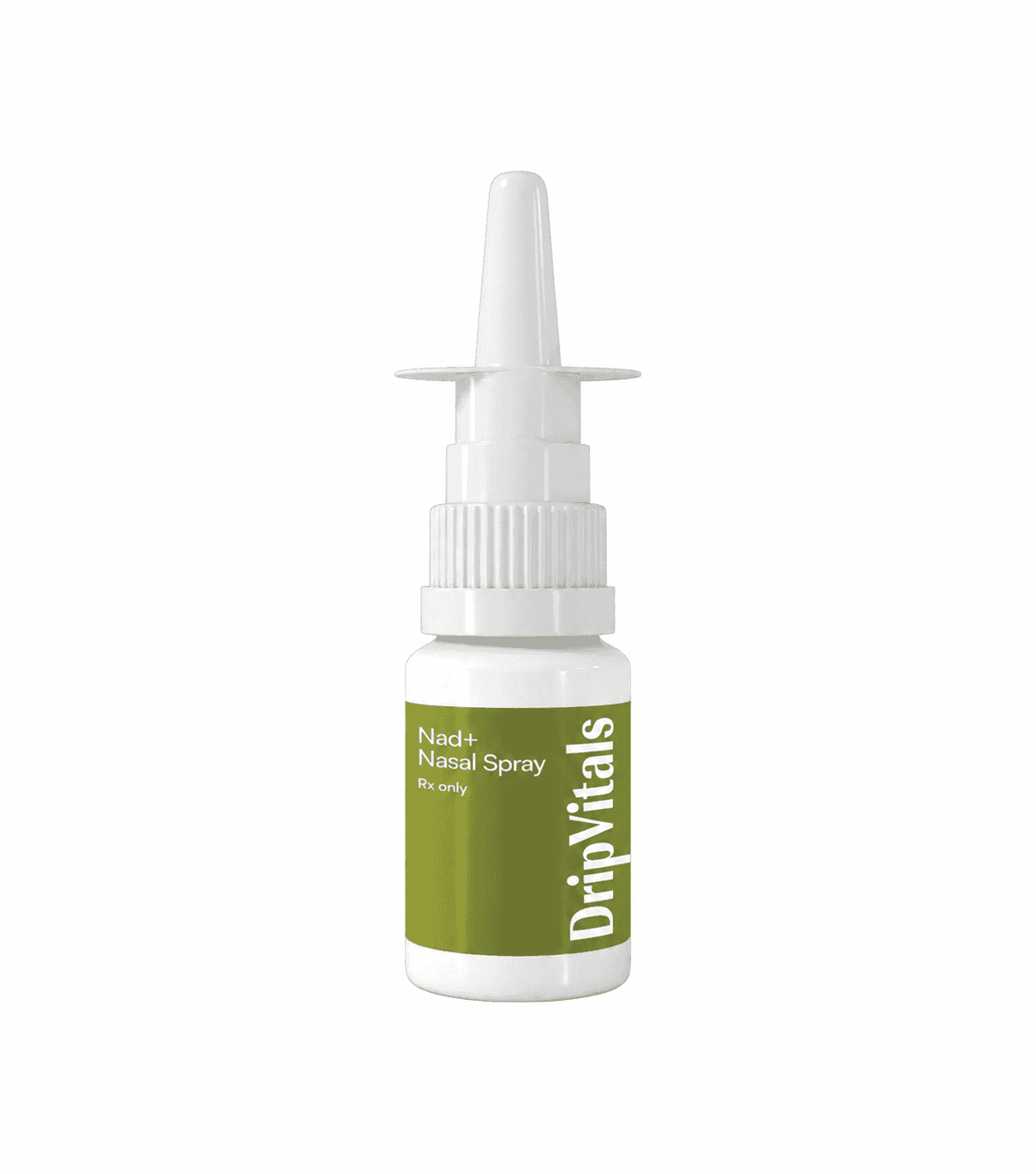
NAD+ nasal spray delivers NAD+ across the nasal lining — needle-free and self-administered in seconds. NAD+ injections deliver NAD+ subcutaneously into the fatty tissue under the skin, which some people prefer for its dosing flexibility but which involves a needle.
Comfort and convenience
For many people, "needle-free" is the deciding factor. A nasal spray fits into a daily routine with no injection technique to learn, no sharps to store or dispose of, and no injection-site care. If needle anxiety is a barrier, the nasal route removes it entirely.
Absorption and dosing
Injections and nasal sprays release NAD+ differently, and neither is universally "better." What matters is a plan your provider tailors to your goals. Frequency and technique for the spray are covered in our guide to how to use NAD+ nasal spray.
Cost
Both are offered as plan-based programs, and your total depends on the plan and what your provider prescribes. The nasal spray's convenience and lack of injection supplies make it an easy entry point for people new to NAD+.
Safety considerations
Both routes require a prescription and clinician oversight. The nasal route's most common considerations are local nasal effects, while injections carry injection-site considerations. Review the details in our guide to NAD+ nasal spray side effects.
Which is right for you?
Choose the nasal spray if you value needle-free convenience and simplicity. Consider injections if you and your provider prefer that route for your goals. Many people start with the spray for ease — and revisit the benefits of NAD+ nasal spray with their provider as they go.
Important disclaimer
This article is for general education only and is not medical advice. NAD+ nasal spray requires a prescription and provider oversight, and NAD+ is not an FDA-approved drug to diagnose, treat, cure, or prevent any disease. Individual results vary. Always talk with a licensed clinician about your health history and any medications before starting a new treatment.