Interest in NAD+ nasal spray has grown quickly, but what can it actually do? Below is a grounded look at the potential benefits of NAD nasal spray, what research supports, and where expectations should stay realistic.
What NAD+ is
NAD+ (nicotinamide adenine dinucleotide) is a coenzyme found in every living cell. It plays a central role in converting nutrients into cellular energy and in the repair processes cells rely on. NAD+ levels are widely reported to decline with age, which is part of why it has become a focus of wellness programs.
Why a nasal spray?
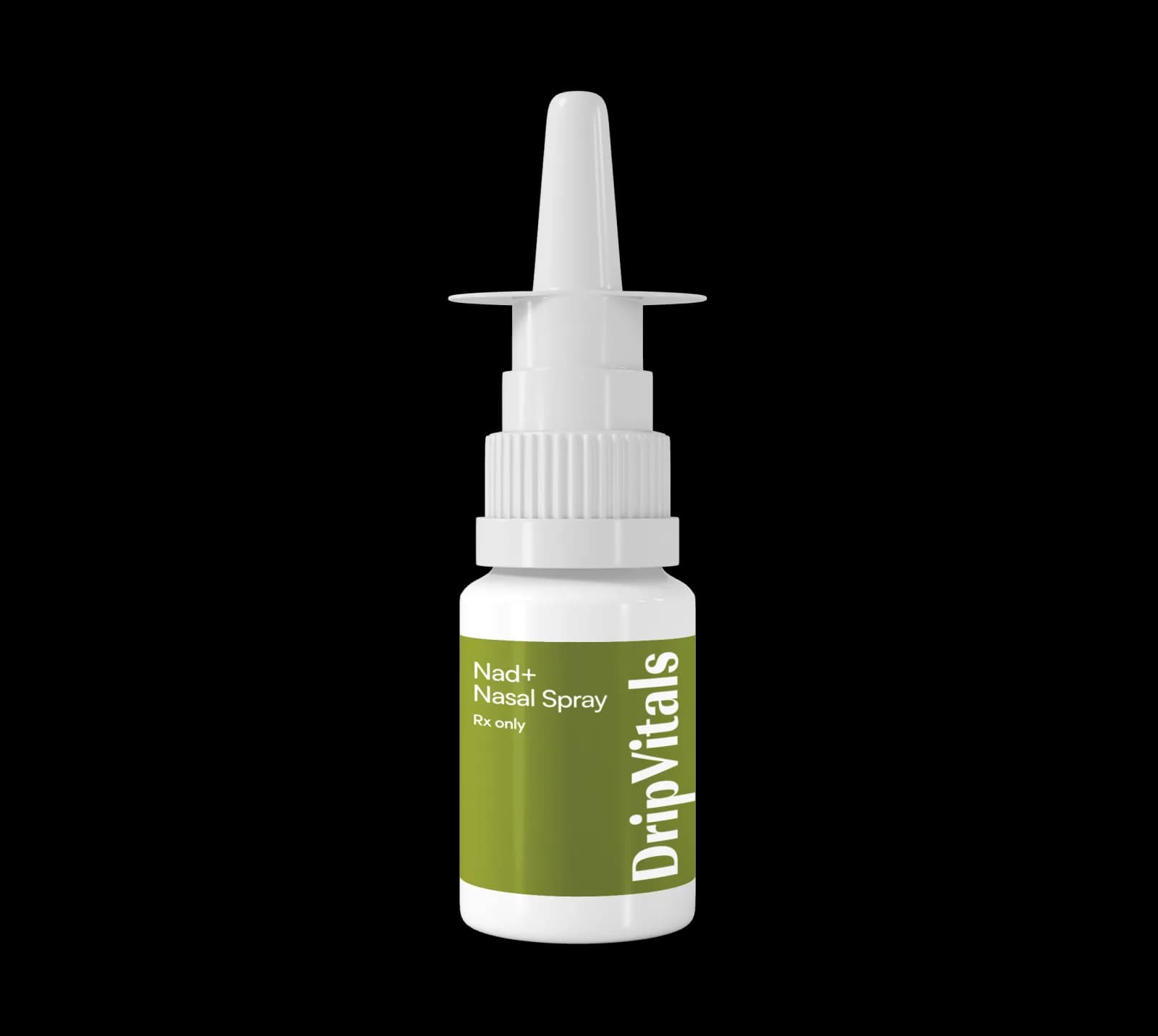
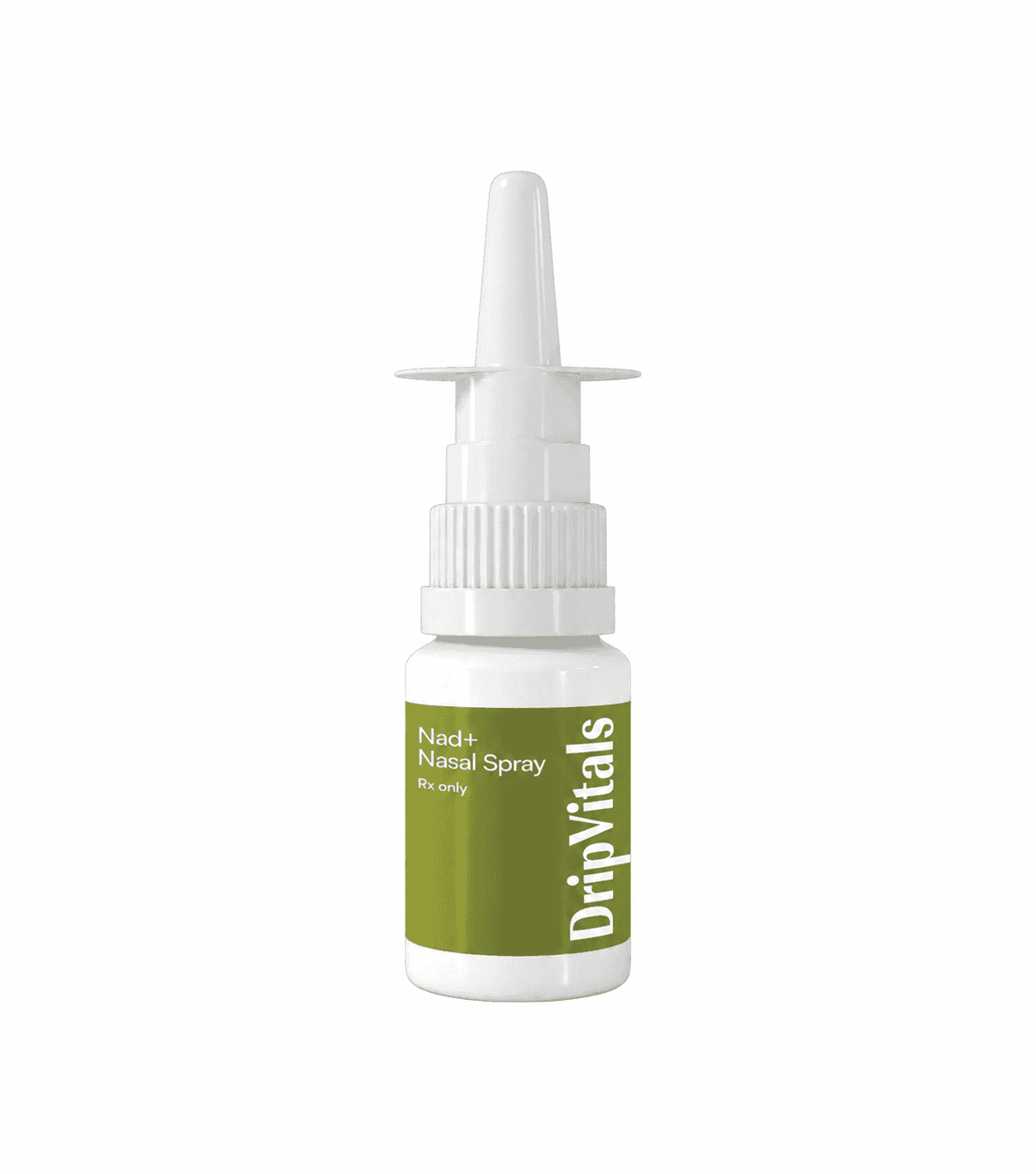
NAD+ is used in several forms — IV drips, injections, and nasal sprays. The nasal route is needle-free and convenient, delivering NAD+ across the nasal lining rather than through the gut, where much of an oral dose is broken down. That convenience is the main appeal, which we compare in our guide to NAD+ nasal spray vs. injection.
Cellular energy and metabolism
The most established role of NAD+ is in energy metabolism — it is a required helper molecule for the reactions that turn food into usable cellular energy. Supporting the body's own NAD+ pathways is the rationale behind NAD+ nasal spray in wellness contexts. It is not a treatment for fatigue or any medical condition.
Healthy aging
Because NAD+ availability is tied to cellular maintenance, it is often discussed in the context of healthy aging. The honest summary: much of the research is early, and human evidence specific to nasal-spray delivery is limited. NAD+ nasal spray is not proven to slow, stop, or reverse aging.
Focus and mental clarity
Some people use NAD+ hoping to support focus and clarity. Evidence here is preliminary and mixed. A provider can help you set measurable goals so you can judge your own response rather than relying on marketing claims.
Who might consider NAD+ nasal spray
NAD+ nasal spray is prescription-only. A licensed provider reviews your health history, medications, and goals to decide whether it's appropriate — see our overview of NAD+ nasal spray side effects and safety for who should avoid it.
The bottom line
NAD+'s role in energy metabolism is well established biologically; the aging and cognitive claims are far less proven. Used under clinician guidance and with realistic expectations, NAD+ nasal spray can be a reasonable, needle-free part of a broader wellness plan.
Important disclaimer
This article is for general education only and is not medical advice. NAD+ nasal spray requires a prescription and provider oversight, and NAD+ is not an FDA-approved drug to diagnose, treat, cure, or prevent any disease. Individual results vary. Always talk with a licensed clinician about your health history and any medications before starting a new treatment.