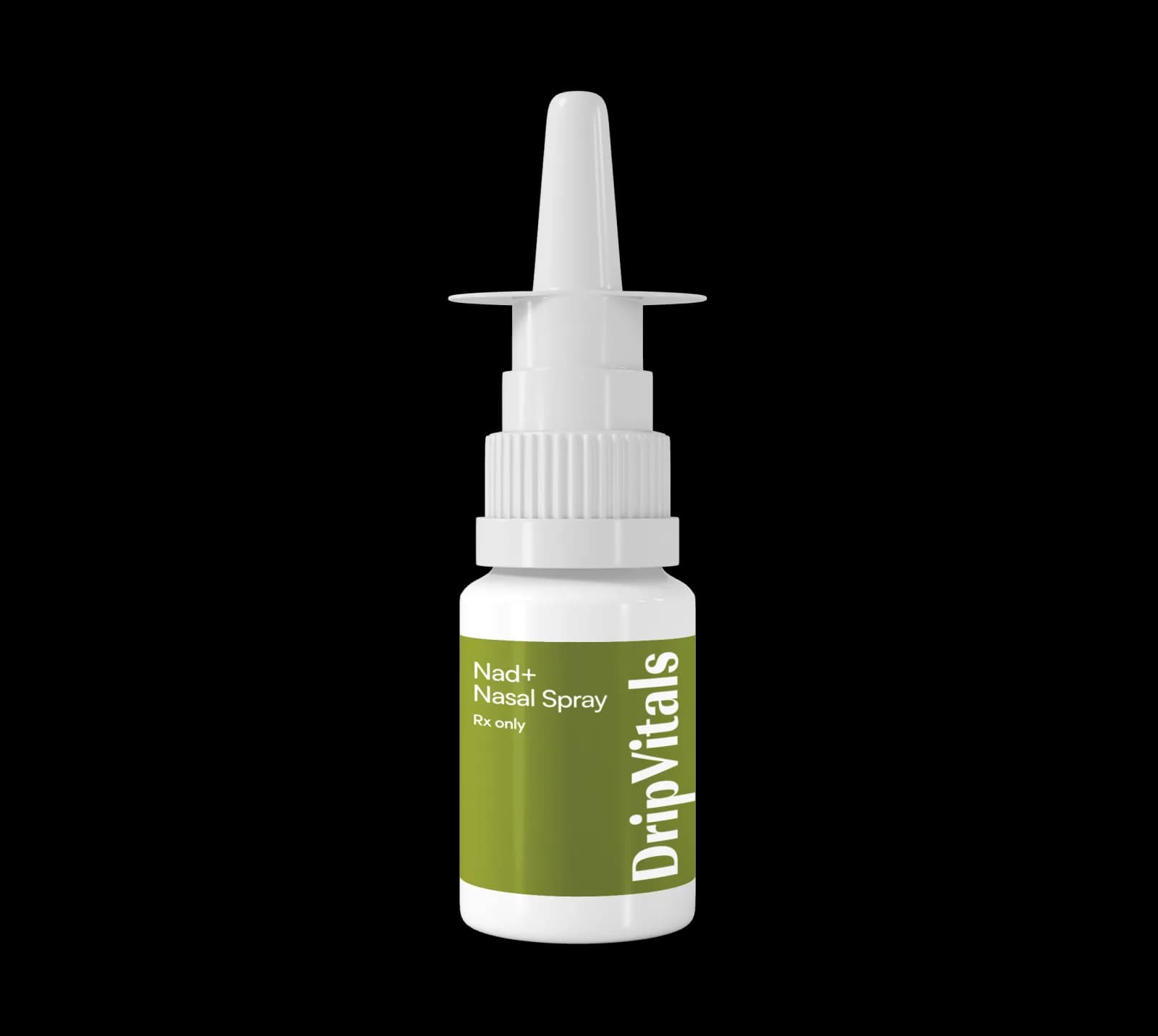
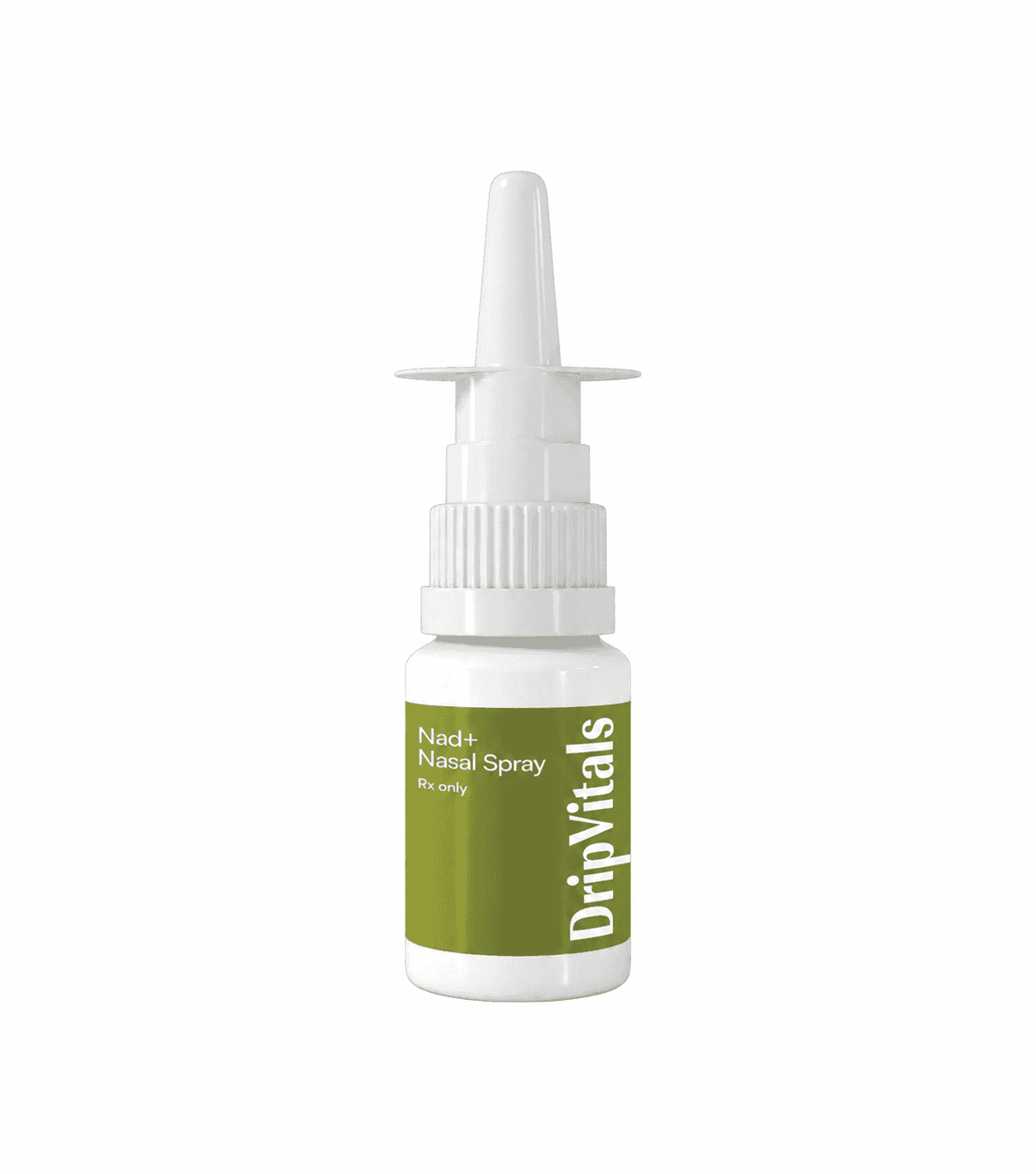
Before starting NAD+ nasal spray, it's worth understanding the safety picture. Most reported effects are mild, but NAD+ nasal spray is prescription-only for good reasons. Here's a plain-language overview.
General safety profile
NAD+ occurs naturally in the body, and in clinician-guided use, reported side effects from the nasal spray are generally mild. Still, "natural" doesn't mean risk-free, and whether it's appropriate depends on your individual health.
Common, usually mild effects
The most frequently reported effects are local nasal ones — a temporary stinging or burning sensation, nasal irritation, a runny nose, or a brief flushing sensation shortly after dosing. These are typically short-lived.
Reducing nasal irritation
Proper technique helps — priming the bottle, aiming toward the nostril wall rather than straight back, and not over-sniffing. Our guide on how to use NAD+ nasal spray covers technique in detail.
Rare or serious reactions
Serious reactions are uncommon but possible, including allergic responses. Signs such as rash, swelling of the face or throat, difficulty breathing, or severe dizziness warrant immediate medical attention. Stop and seek care rather than waiting.
Who should not use NAD+ nasal spray
NAD+ nasal spray is not right for everyone. It's generally avoided during pregnancy or breastfeeding, for people with certain nasal conditions or sensitivities, or where a provider judges it inappropriate. A medical review exists to screen for these situations.
Interactions and when to call
Any product can interact with medications or supplements, so share a complete list with your provider. Reach out for persistent or worsening symptoms, and weigh the safety picture against the potential benefits of NAD+ nasal spray with a clinician who knows your history.
Important disclaimer
This article is for general education only and is not medical advice. NAD+ nasal spray requires a prescription and provider oversight, and NAD+ is not an FDA-approved drug to diagnose, treat, cure, or prevent any disease. Individual results vary. Always talk with a licensed clinician about your health history and any medications before starting a new treatment.