Lipotropic injections — often called lipo shots or MIC B12 shots — have become a popular add-on in weight-management programs. But what can they actually do? Here's a grounded look at the benefits, and where expectations should stay realistic.
What lipotropic injections (lipo shots) are
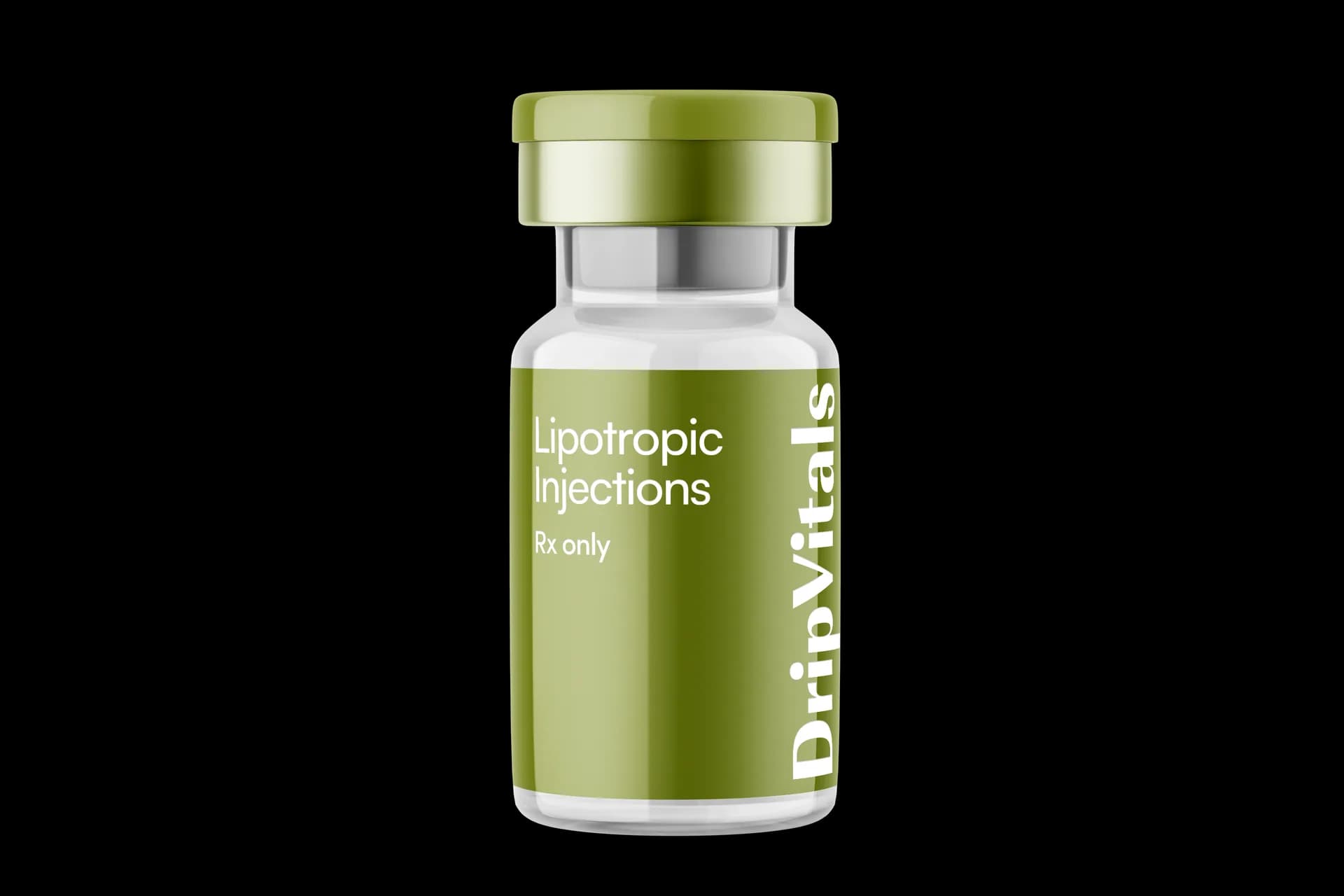
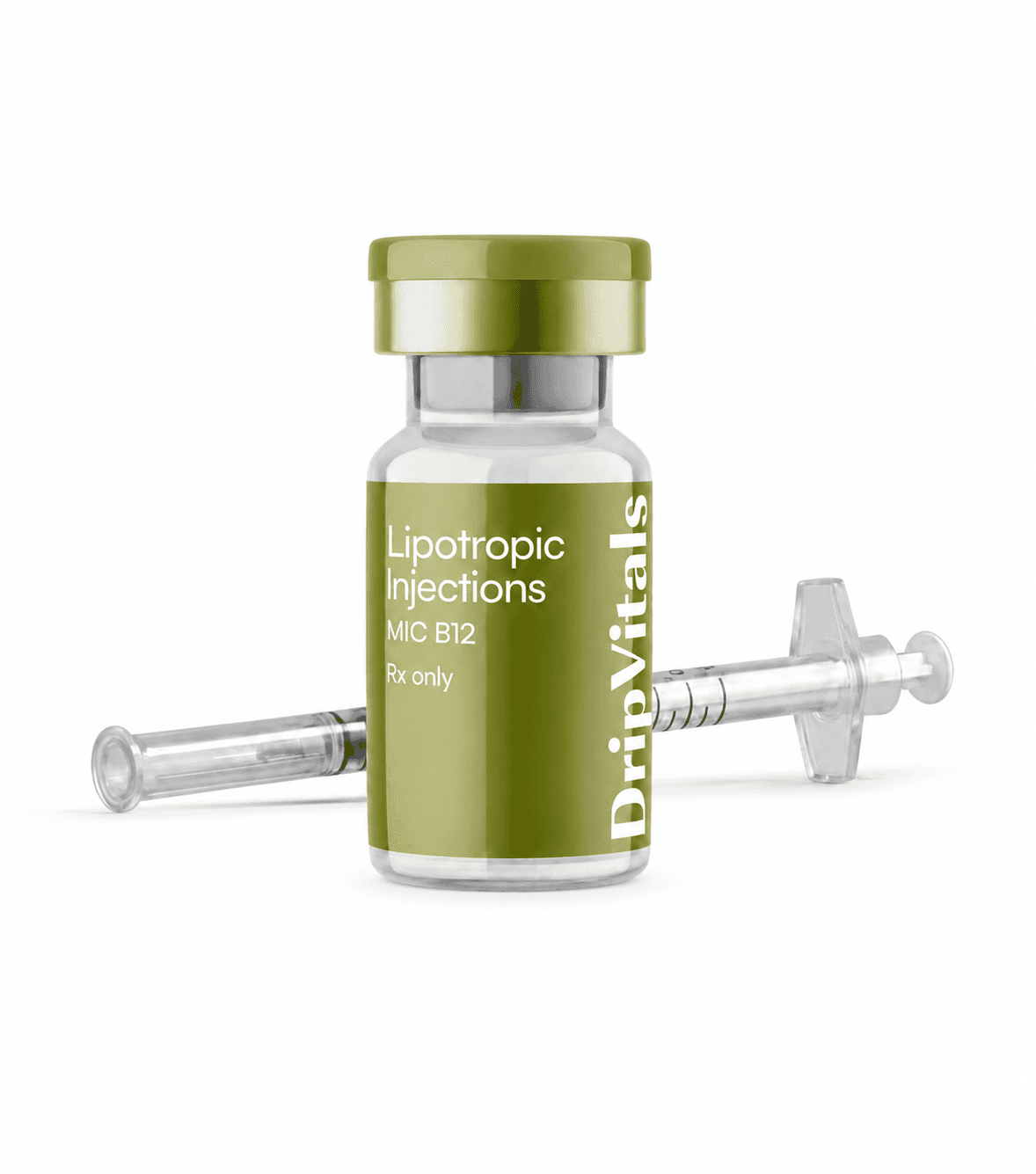
A lipotropic injection is a shot that combines lipotropic compounds — methionine, inositol, and choline (MIC) — usually with vitamin B12. "Lipotropic" refers to substances involved in the body's normal handling of fat. Learn more about the formula in our guide to what's in a MIC B12 shot.
The MIC + B12 ingredients
Methionine and choline support the body's normal fat-processing pathways in the liver, inositol plays a role in cellular signaling, and vitamin B12 supports energy metabolism and red-blood-cell formation. Combined, they're intended to complement — not replace — a healthy diet and activity.
Fat-metabolism support
The rationale behind lipo shots is supporting the body's existing fat-metabolism pathways as part of a broader program. It's important to be clear: lipotropic injections are not an FDA-approved weight-loss drug, and they don't "melt fat" on their own.
Energy from B12
The B12 component is one reason some people report feeling more energetic. B12 supports normal energy metabolism, which can be helpful when you're also cutting calories and exercising more.
Weight loss: keep expectations realistic
The honest summary: evidence that lipotropic injections cause weight loss on their own is limited. They're best understood as a supportive add-on within a clinician-guided program of diet, activity, and — where appropriate — other treatments. Results vary widely from person to person.
Who might consider lipo shots
Lipotropic injections are prescription-only. A provider reviews your health history, medications, and goals to decide whether they're appropriate — see our overview of lipotropic injection side effects and safety for who should avoid them, and how often lipo shots are typically given.
The bottom line
Lipotropic injections can be a reasonable supportive piece of a weight-management program for the right person — but they're a complement to diet and exercise, not a shortcut. Used under clinician guidance and with realistic expectations, they're one tool among several.
Important disclaimer
This article is for general education only and is not medical advice. Lipotropic injections require a prescription and provider oversight, are not an FDA-approved weight-loss drug, and are not a substitute for diet and exercise. Individual results vary. Always talk with a licensed clinician about your health history and any medications before starting a new treatment.